
Designing Cities for Grief and Remembrance
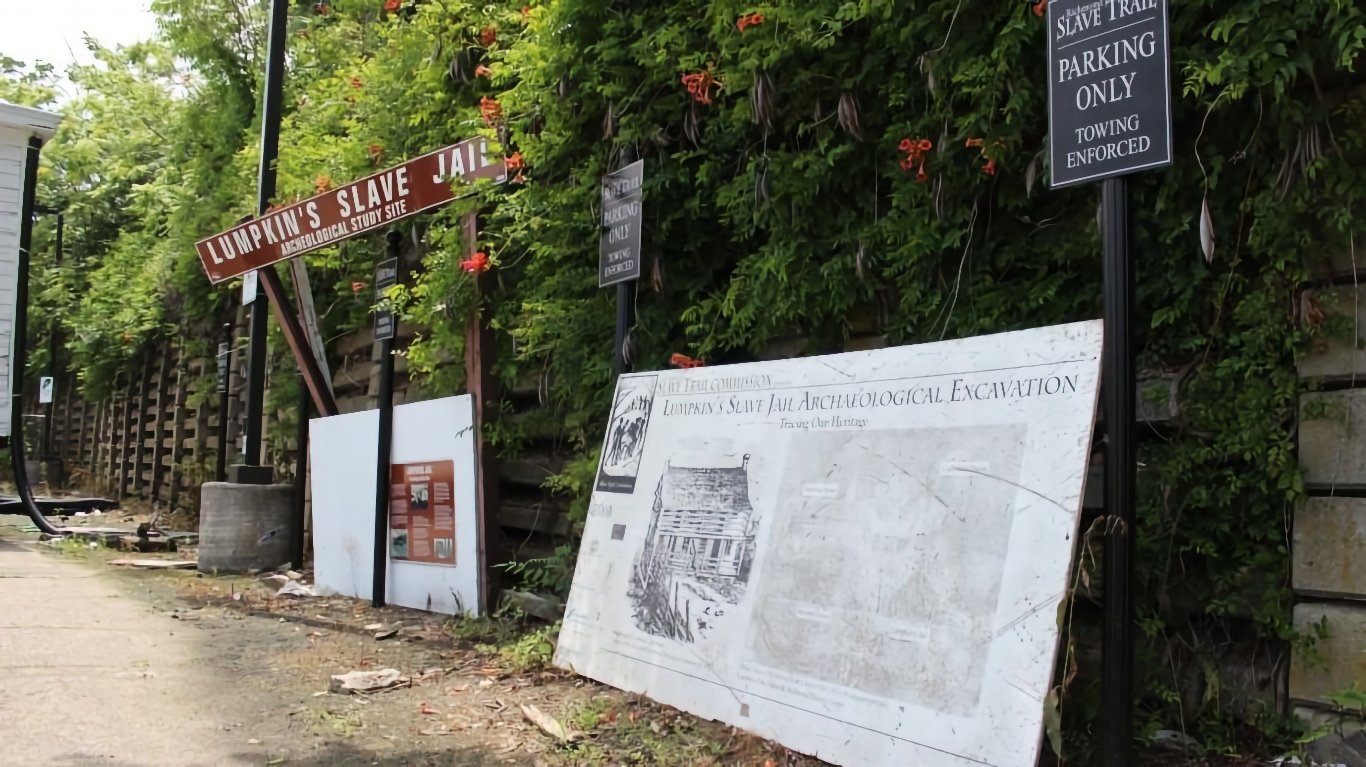
Image via Next City
When my mother transitioned in June 2020, there were three things that saved me: long aimless walks, nature and community.
My grief needed somewhere to go. It needed environments capable of holding its weight — spaces where I could move, breathe and feel without performing wellness for others or pretending to be fine. Those walks did something talk therapy could not. They gave my grief a landscape to inhabit. Grief, I learned, is not only emotional; it is spatial, embodied and deeply shaped by the environments around us.
It was also during this time I began reflecting on the inequities that come with the ability to grieve in public spaces and to access culturally reflective bereavement care. The same racism and structural inequities that have shaped access to opportunity, such as where people can live, bank and go to school, have also shaped where they can mourn, remember and heal.